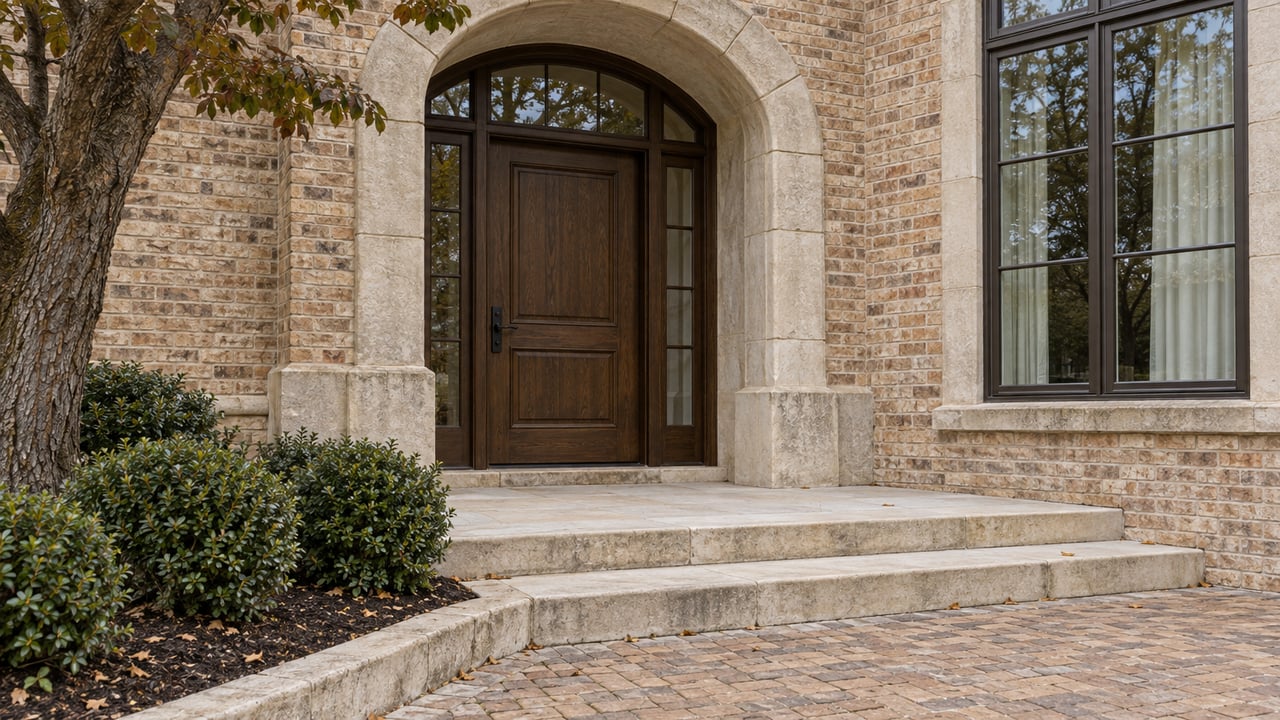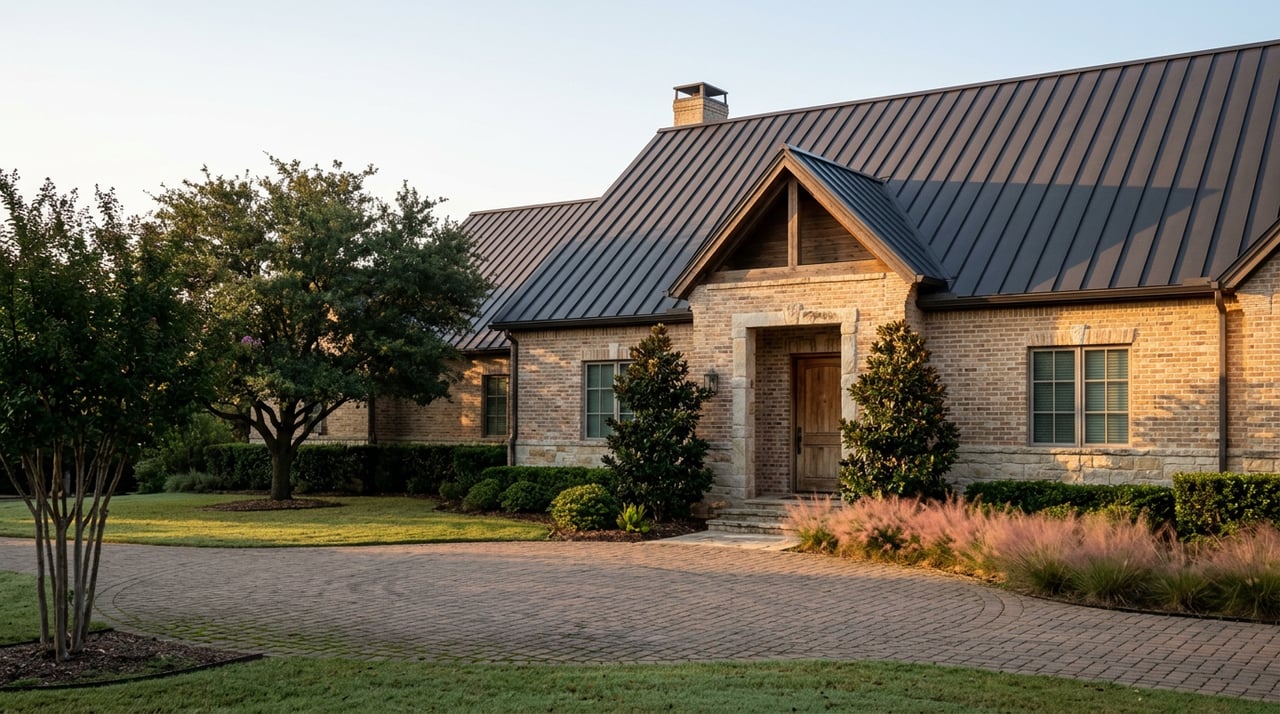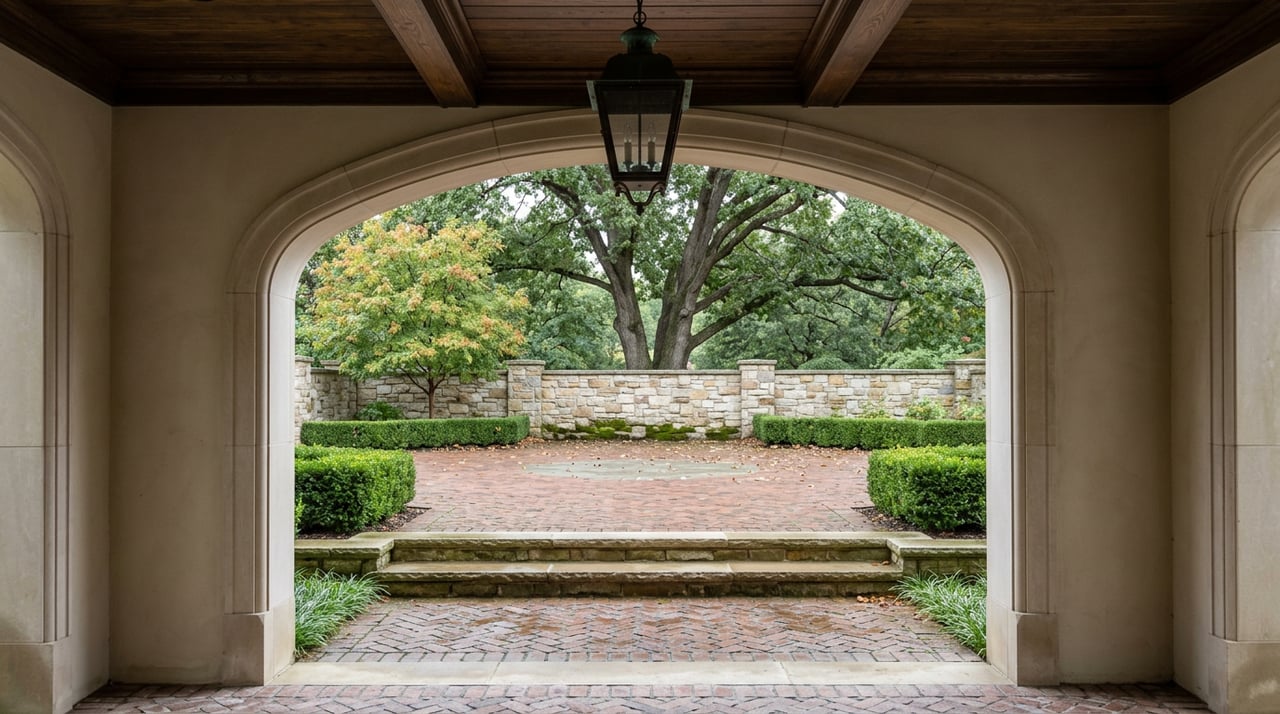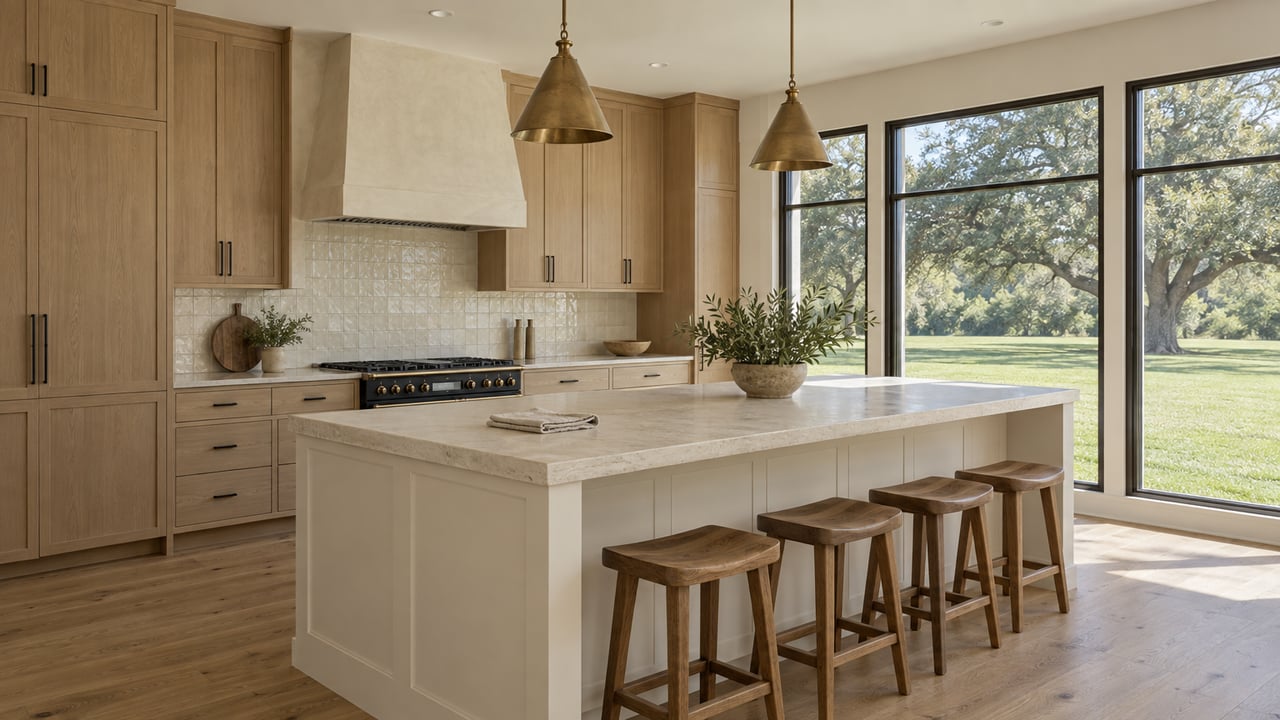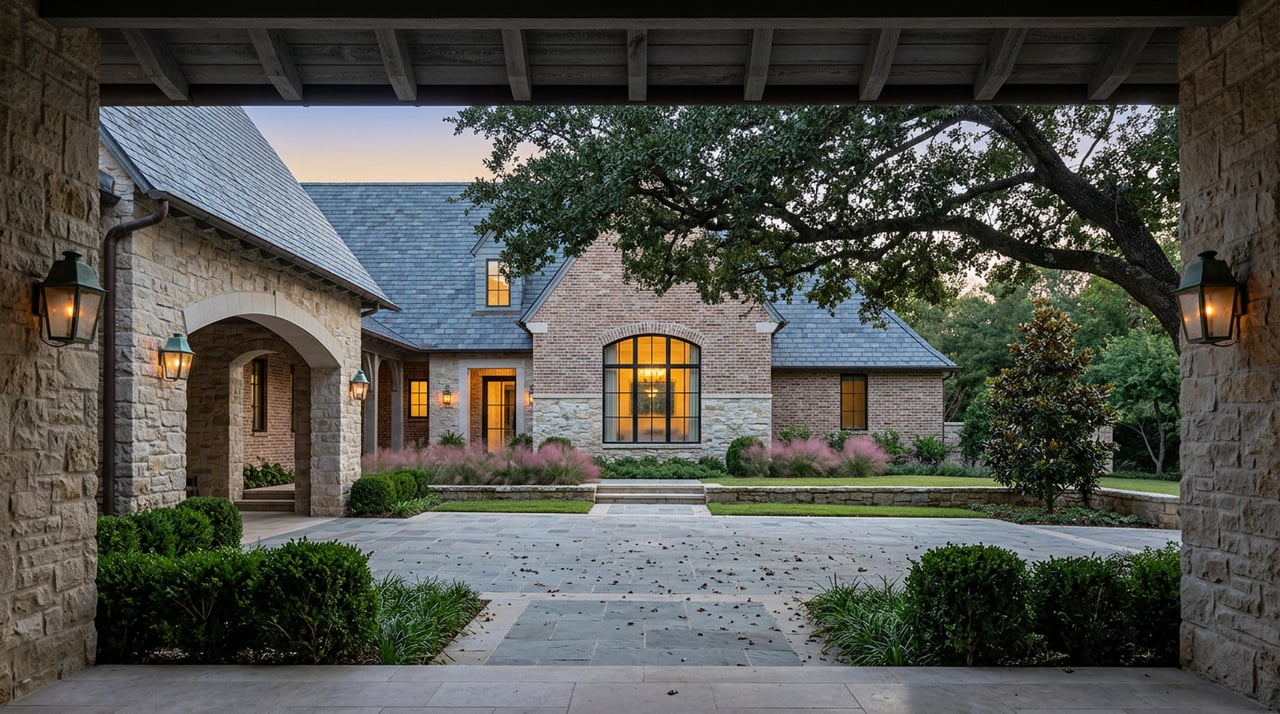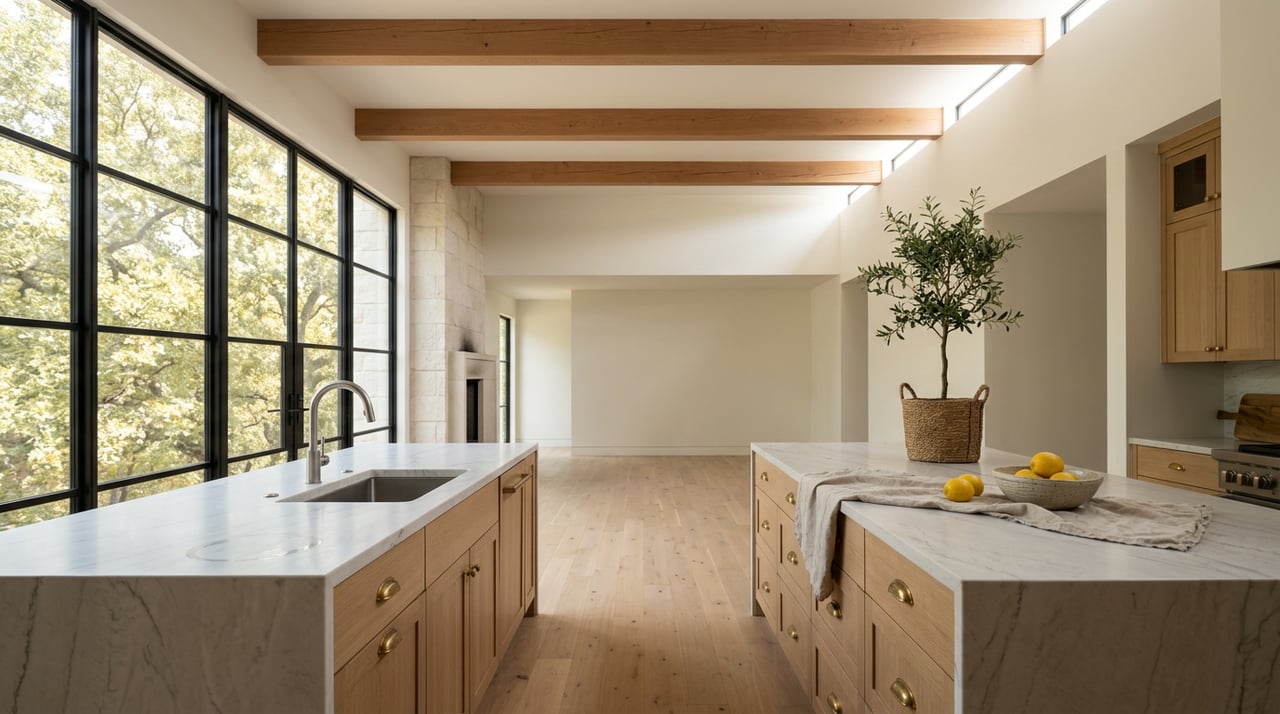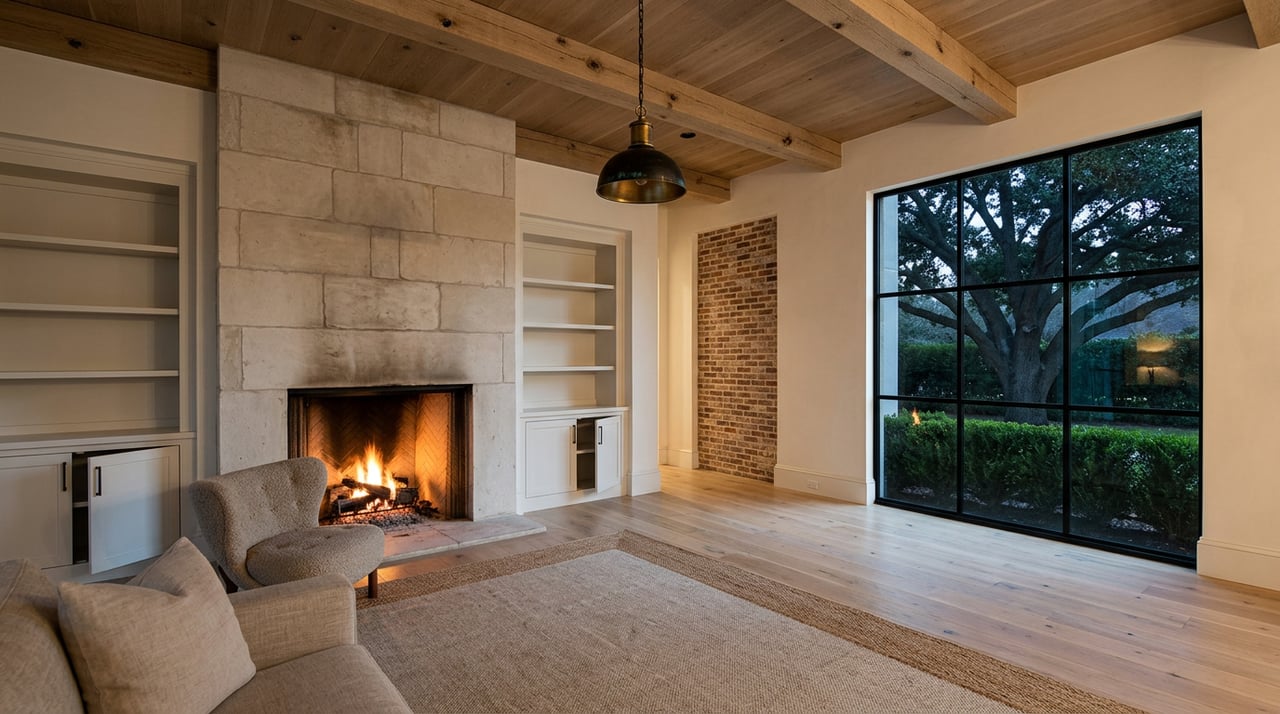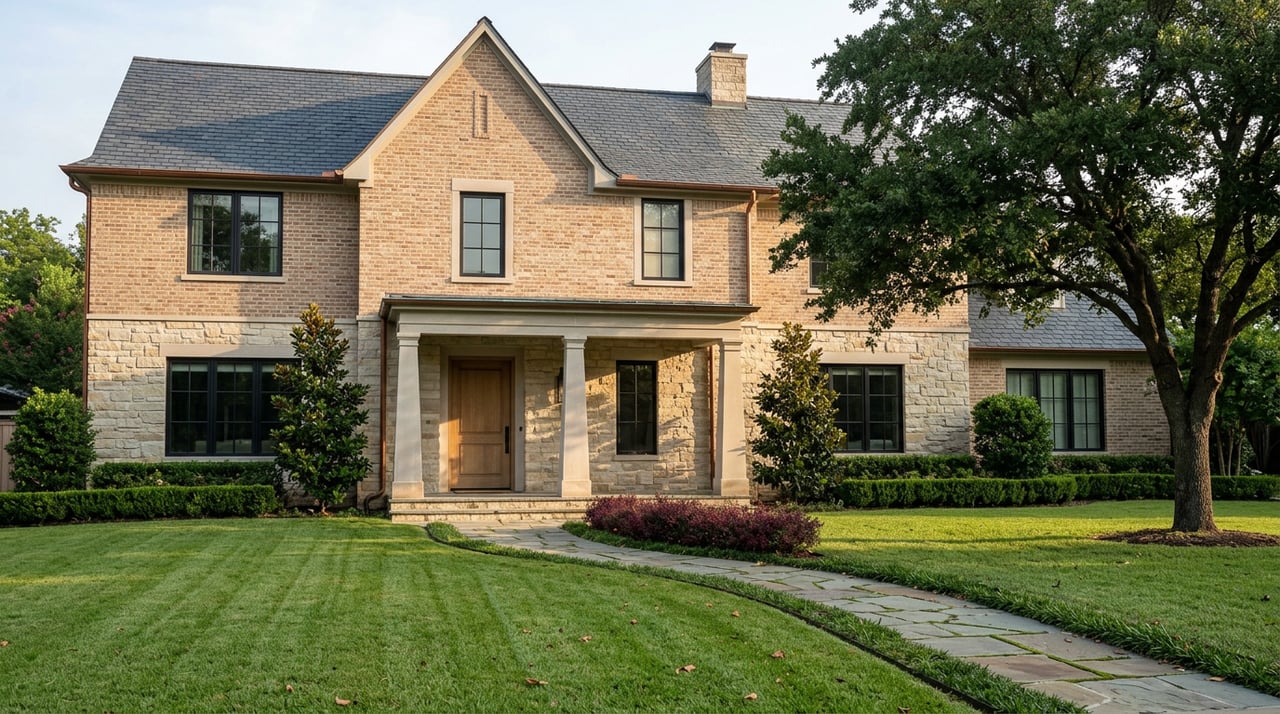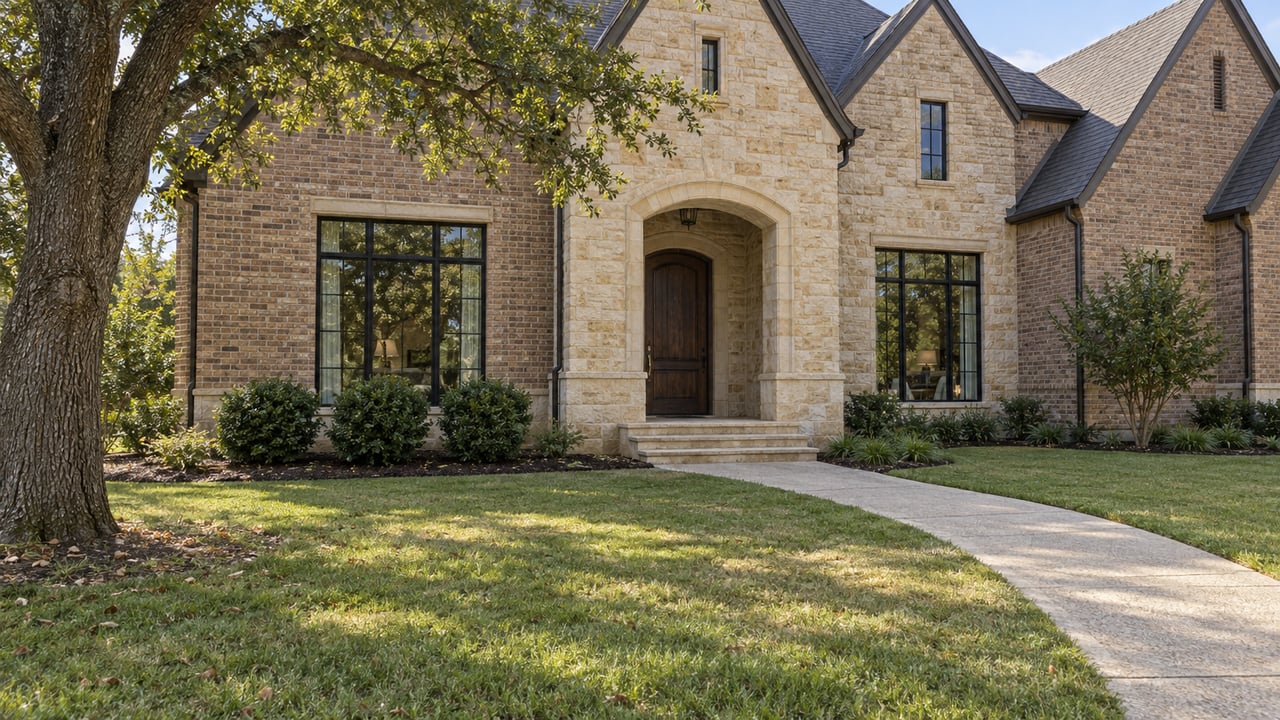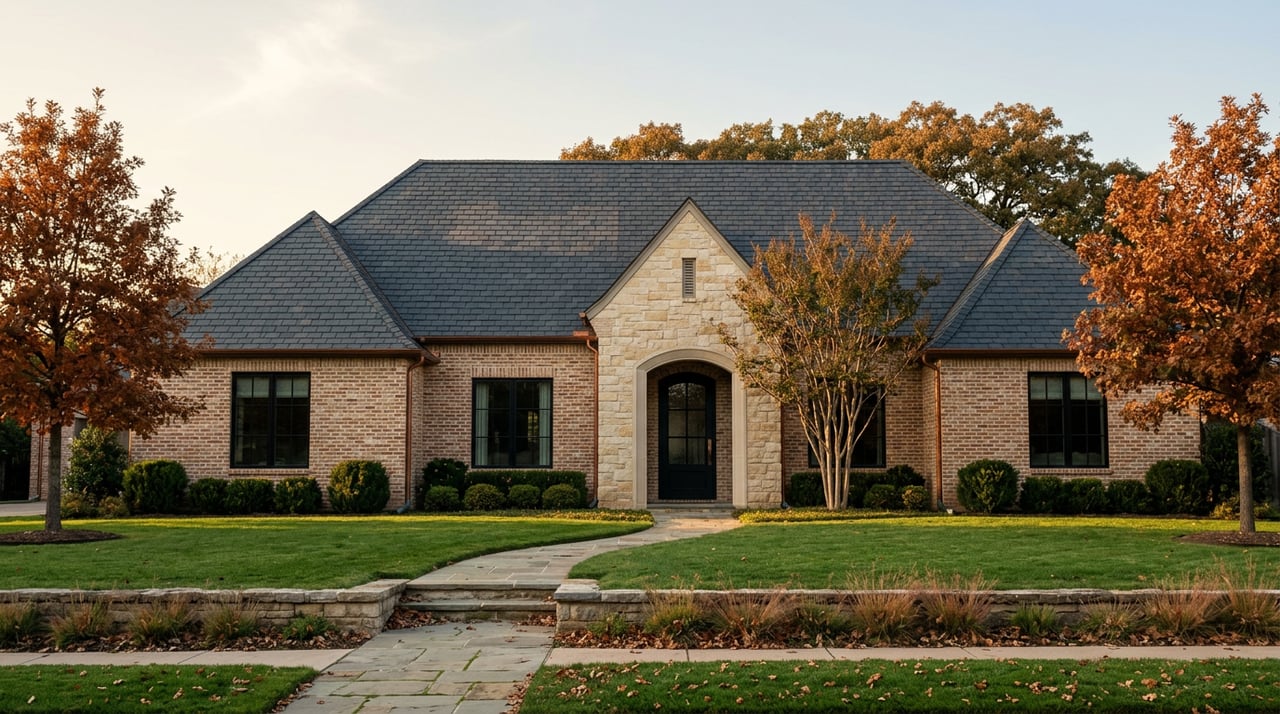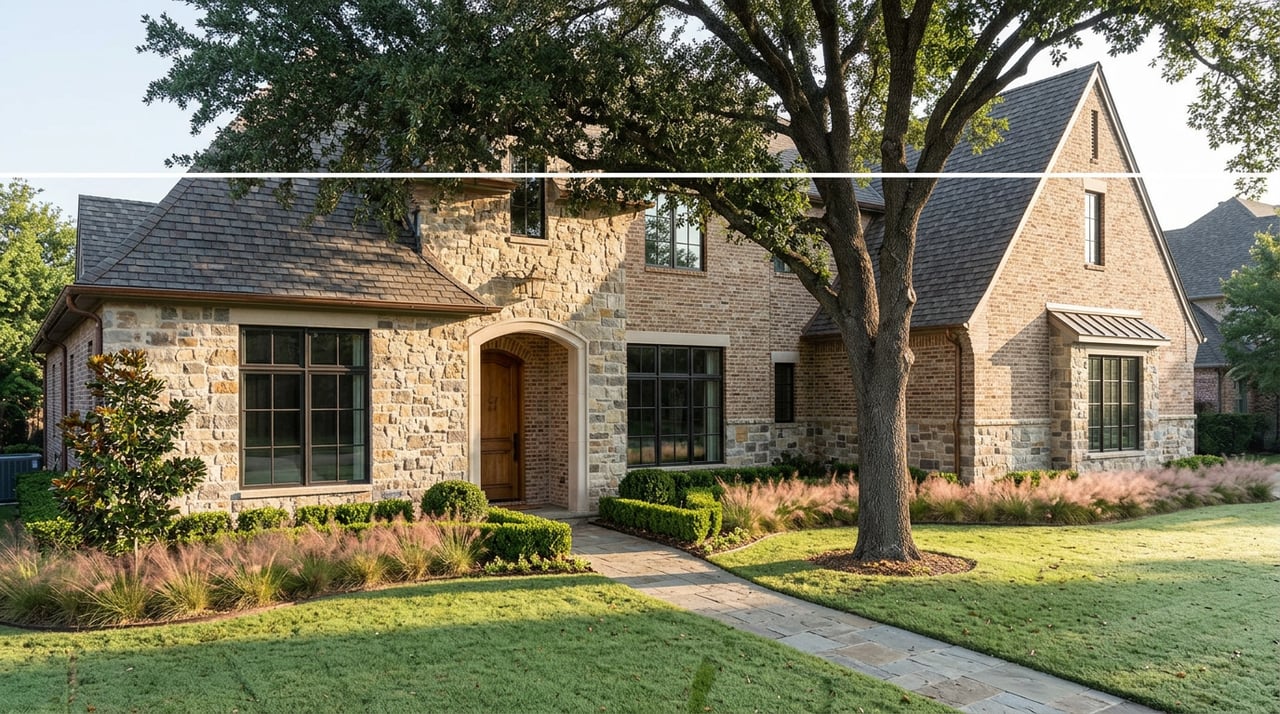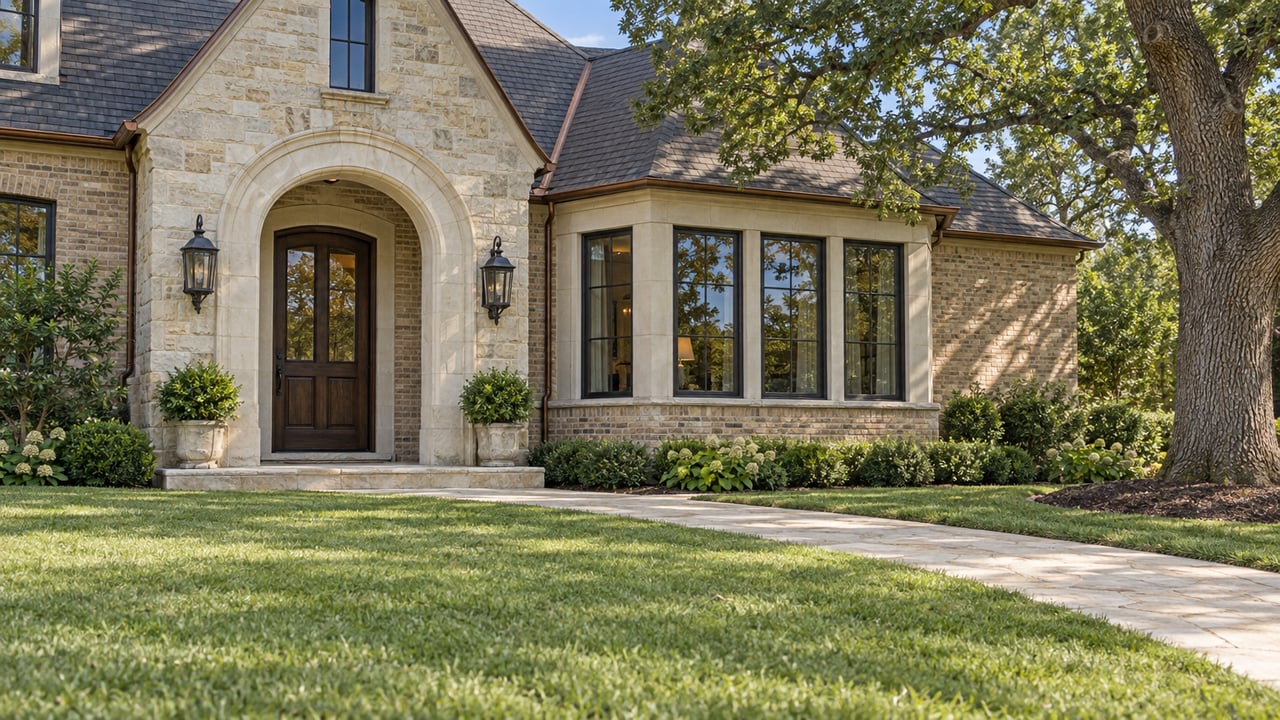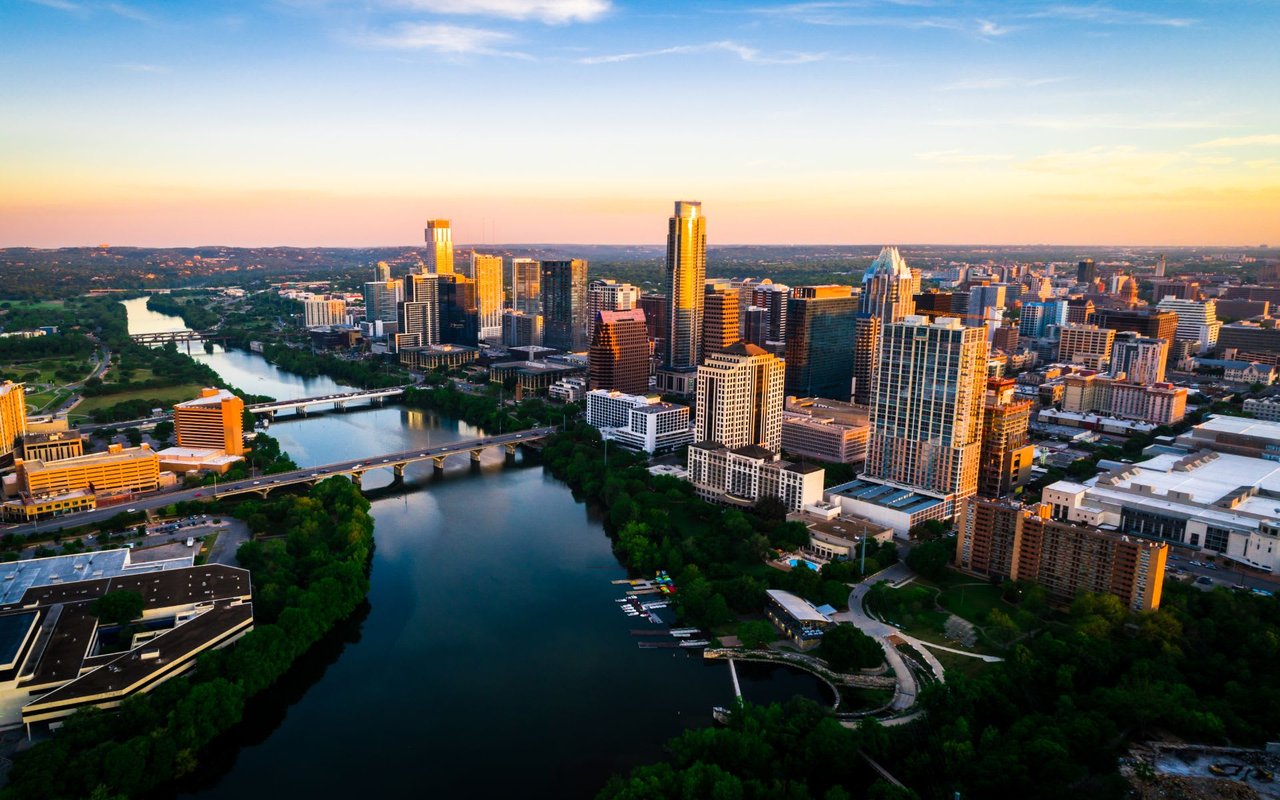
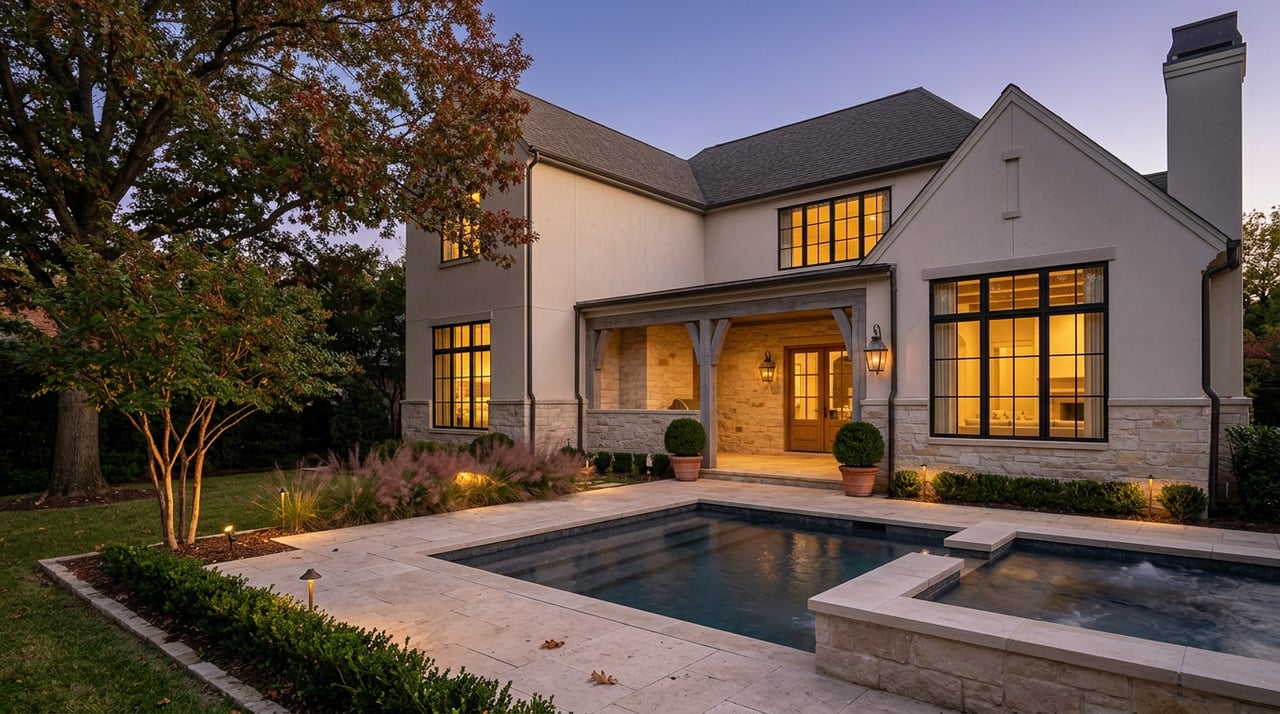
A couple touring Frisco this summer might spend Saturday morning inside a guard-gated estate in Starwood, built years ago on a lot that will never exist again in that neighborhood, and Saturday afternoon inside a builder's model home in Phillips Creek Ranch, where the lot next door is still dirt. Both houses sit inside the same city limits. Both get called "the Frisco market" by whoever is running the comps. They are not behaving like the same market at all, and the reason has less to do with the houses than with a mismatch nobody points out on the tour.
Frisco really is running out of room to build. That part of the story is true and well documented. What is not true is the assumption that follows it automatically: that scarce land means rising prices right now. The two are running on different clocks, and understanding which clock you're reading is the difference between negotiating well in this city and negotiating against a number that doesn't mean what you think it means.
The land story is real
Jason Ford, president of the Frisco Economic Development Corporation, told the Dallas Business Journal earlier this year that the city has historically added something like 10,000 new residents annually, and that if economic conditions hold, Frisco could reach full residential buildout within the next decade. Higher mortgage rates and shrinking lot availability have already slowed that pace somewhat, but the ceiling is still coming.
The scale of what got built to get here is hard to overstate. Frisco's population grew more than 17 percent between 2020 and 2024 alone, surpassing 235,000 people, up from roughly 6,000 residents in 1990. That is a small town becoming a small city inside a single generation, and it happened almost entirely on raw land that used to be farmland north of Dallas. There is a finite amount of that left.
So the headline is accurate. Frisco is closer to its ceiling than it was five years ago.
But the price chart went the other direction
Here is what the same period actually did to prices. Over the three months ending in June 2026, the median sale price for a Frisco home was $675,000, down 2.1 percent from the same window a year earlier. Homes were still moving at a normal clip, averaging 42 days on market, the same pace as the prior year. Sales volume was actually higher, not lower: 724 homes closed in June 2026 compared with 650 in June 2025. Price per square foot sat at $231, essentially flat, down two tenths of a percent year over year.
None of that reads like a city squeezed by scarcity. It reads like a market where buyers have a bit more room to negotiate than they did two or three years ago, because rates have kept some urgency out of the process and there is more active inventory sitting on the market at any given moment than there was during the run-up years.
Frisco can be a city with a shrinking supply of raw land and a housing market that cooled slightly over twelve straight months. Both things are true at the same time.
Two clocks, not one
The land story runs on a decade-long clock. It is set by how many platted acres remain, how fast the Economic Development Corporation's growth targets get hit, and how quickly the last big undeveloped tracts get zoned and built out. Nothing about a single quarter's mortgage rate changes that clock.
The price story runs on a much faster clock, set mostly by financing cost and how much inventory happens to be listed at once. When rates sit where they have this year, some sellers wait, some buyers wait, and the homes that do trade tend to trade with a little more negotiating room built in. That has nothing to do with how much dirt is left to build on. It has to do with how many people are willing to transact this month.
A buyer who assumes tighter land automatically means a hotter market right now is reading the slow clock and applying it to the fast one. That mismatch is exactly where a listing agent's asking price and a buyer's actual leverage can end up several ticks apart.
Where the squeeze shows up first, and where the numbers get strange
The land constraint hits differently depending on which kind of neighborhood you're comparing. Starwood is a useful case because it is fully built out, guard-gated, and almost entirely a resale market at this point. No new lots are coming. Every sale is one existing owner trading with one new buyer, and there simply aren't many of those trades happening in any given month.
That thinness shows up as genuine confusion in the published numbers. As of the end of June 2026, one major home value tracker put Starwood's typical home value at $1.22 million, up 0.8 percent from a year earlier, essentially flat. Over roughly that same stretch, another platform's data for Starwood showed the average sale price down more than 46 percent year over year. A third listed Starwood's median list price in June 2026 at $1.37 million, down 18 percent both from the prior month and from a year earlier.
| What was measured (mid-2026) | Change reported |
|---|---|
| Typical home value | Up 0.8% year over year |
| Average sale price | Down more than 46% year over year |
| Median list price | Down 18% month over month and year over year |
Three sources, the same neighborhood, roughly the same window, three wildly different stories. That isn't a market correction. It's what happens when a neighborhood where a full year of closings can be counted in the dozens gets summarized into a single monthly average. One estate sale at a discount, or one unusually large custom home closing, can swing the printed number more than any real shift in value ever could. In a built-out enclave like this, the trailing average isn't describing the neighborhood. It's describing whichever few houses happened to close.
Where new construction still behaves the way you'd expect
Compare that to communities where the builder pipeline is still running. Phillips Creek Ranch keeps its entry point in the $400,000s for new construction, while at the far end of the market, custom estates inside The Fields Preserve list from roughly $5 million past $25 million. Because builders are still actively pricing and releasing new inventory in both places, there is a steady stream of comparable, published transactions to check a price against. In March 2026 alone, the City of Frisco issued new single-family building permits to builders including Landon Homes, First Texas Custom Homes, and Brookfield Residential, for houses ranging from roughly 3,700 to 5,200 square feet. That is a live pipeline, not a memory of one.
This is also where the land constraint is quietly reshaping what "new construction" will even mean going forward. Much of the largest remaining land in Frisco isn't being platted into traditional single-family subdivisions anymore. The Fields, the mixed-use development anchored by PGA Frisco and the Omni PGA Frisco Resort, is projected to be worth more than $10 billion at full buildout and includes nine residential villages totaling around 3,500 single-family homes woven between the golf courses, a Universal Studios theme park under construction, and corporate campus land the developer is holding for future relocations. Across town, The Mix is a $3 billion, 112-acre redevelopment of the former Wade Park site, approved with $113.4 million in public funding in 2024, blending office space, retail, hotels, and residential units into one master plan rather than a standalone neighborhood of houses.
In other words, the next wave of Frisco housing supply is less likely to look like another Starwood, a self-contained subdivision of similar detached homes, and more likely to arrive bundled inside a larger mixed-use community with its own retail, hospitality, and amenity structure attached. That changes what you're actually pricing when you compare a new listing against last year's median.
What this means if you're comparing Frisco right now
Treat "the Frisco median" as two overlapping markets rather than one number. In a built-out, low-turnover neighborhood, ask for actual closed comps from the last 60 to 90 days, not a trailing twelve-month average, because there may not be enough sales in that window for the average to mean much. In an active new-construction community, the builder's current price sheet and incentive structure are more reliable guides than any citywide median, since that inventory is still being priced weekly against real competition down the street.
And keep an eye on where the next building permits are actually landing. As the raw land runs down, what gets built on what's left is starting to look structurally different from the neighborhoods built a decade ago, which matters for anyone trying to project what a purchase looks like in five or ten years, not just what it costs to close on this month.
A couple of questions worth asking before you tour
If Frisco prices are soft right now, does that mean the city is losing appeal? Not based on the numbers. Sales volume was up year over year in June 2026 and homes are still moving in about six weeks on average. Softer pricing here looks more like reduced urgency at current rates than reduced demand for the city itself.
Will land scarcity eventually push prices higher across the board? The structural argument points that way over a longer horizon, once the remaining buildable land works through the pipeline. But that is a multi-year trend, not something that shows up in next month's median, and it will likely play out differently in a finished enclave than in a still-building master-planned community.
Comparing a resale in a gated, built-out neighborhood against new construction in an active community isn't really comparing two houses. It's comparing two different sets of rules for how price gets set and how much the published number can be trusted on its own. Ritz Group works both sides of that split every week across Frisco and the surrounding suburbs, and can walk you through which comps actually apply to the house you're looking at. If you're trying to make sense of what a specific Frisco neighborhood is really doing right now, reach out to Ritz Group and we'll help you read the right clock.